Echo Focuses on Smart Growth and Long-Term Sustainability During KUMA Coffee Hour Interview
May 7, 2026

Elkhorn Media Group’s popular morning program, the “Coffee Hour” on KUMA Radio, welcomed Echo City Administrator Mike Gonzalez Thursday for an in-depth conversation about the future of Echo, economic development, infrastructure challenges, and preserving the town’s unique historic identity.
Hosted by Dan Thesman, the interview focused on the opportunities and challenges facing Echo as the community considers how to grow strategically while maintaining its small-town character.
Strategic Growth, Not Rapid Expansion
A major topic of discussion centered around approximately 250 acres of recently rezoned land near Interstate 84 that could eventually support residential, commercial, and industrial development.
Gonzalez emphasized that Echo’s future must be guided by “smart growth” — measured, incremental development that respects the concerns of longtime residents while addressing the city’s financial realities.
“About half the community wants growth, and about half doesn’t,” Gonzalez explained. “People tell me all the time: ‘We want to grow, but we don’t want to become Hermiston, Pendleton, or Stanfield.’ I hear that message loud and clear.”
At the same time, Gonzalez noted that rising inflation, increasing insurance costs, and aging infrastructure are placing pressure on the city’s budget.
“Everything is getting more expensive,” he said. “Health insurance alone is increasing by 14%. We need additional property tax revenue to maintain basic city services like roads, parks, water, and sewer infrastructure.”
According to Gonzalez, potential development near I-84 could eventually include hotels, retail businesses, restaurants, travel centers, and new housing. Preliminary estimates suggest that future growth could generate an additional $200,000 to $250,000 annually for city operations.
Infrastructure Challenges Remain
While Echo recently completed major upgrades to its water system, including an 800,000-gallon reservoir, Gonzalez acknowledged that the city’s wastewater system is nearing capacity.
“We’re already operating at about 90 to 95 percent sewer capacity,” Gonzalez said. “If you don’t have sewer capacity, you can’t build houses. Development pays for development, but we have to prepare for that next phase.”
He also discussed transportation challenges tied to future development. The Oregon Department of Transportation has indicated that major improvements to the I-84 overpass near Echo may eventually be required to support large-scale growth — a project Gonzalez estimated could cost between $10 million and $30 million.
Echo’s Hidden Gems
Beyond development and infrastructure, Gonzalez spent considerable time highlighting Echo’s historic character and tourism potential.
He described Echo as a hidden gem filled with small-town charm, historic architecture, wineries, local restaurants, and outdoor recreation opportunities.
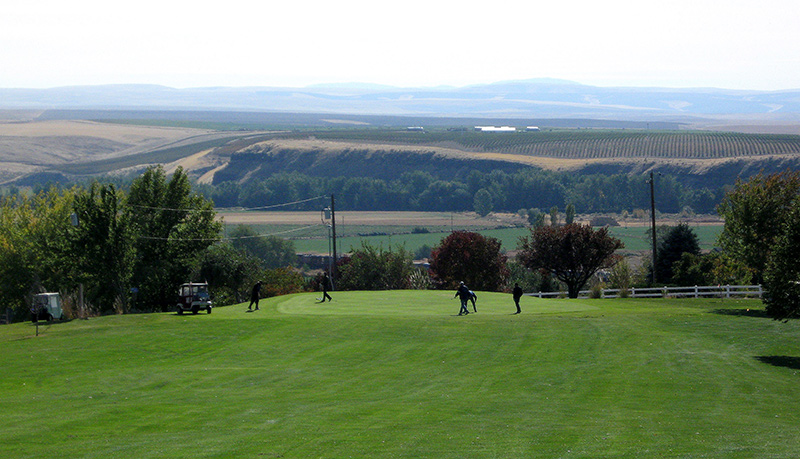
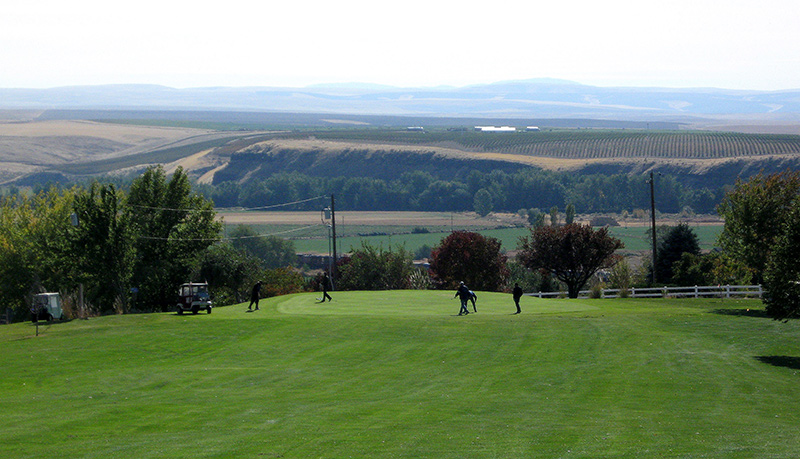
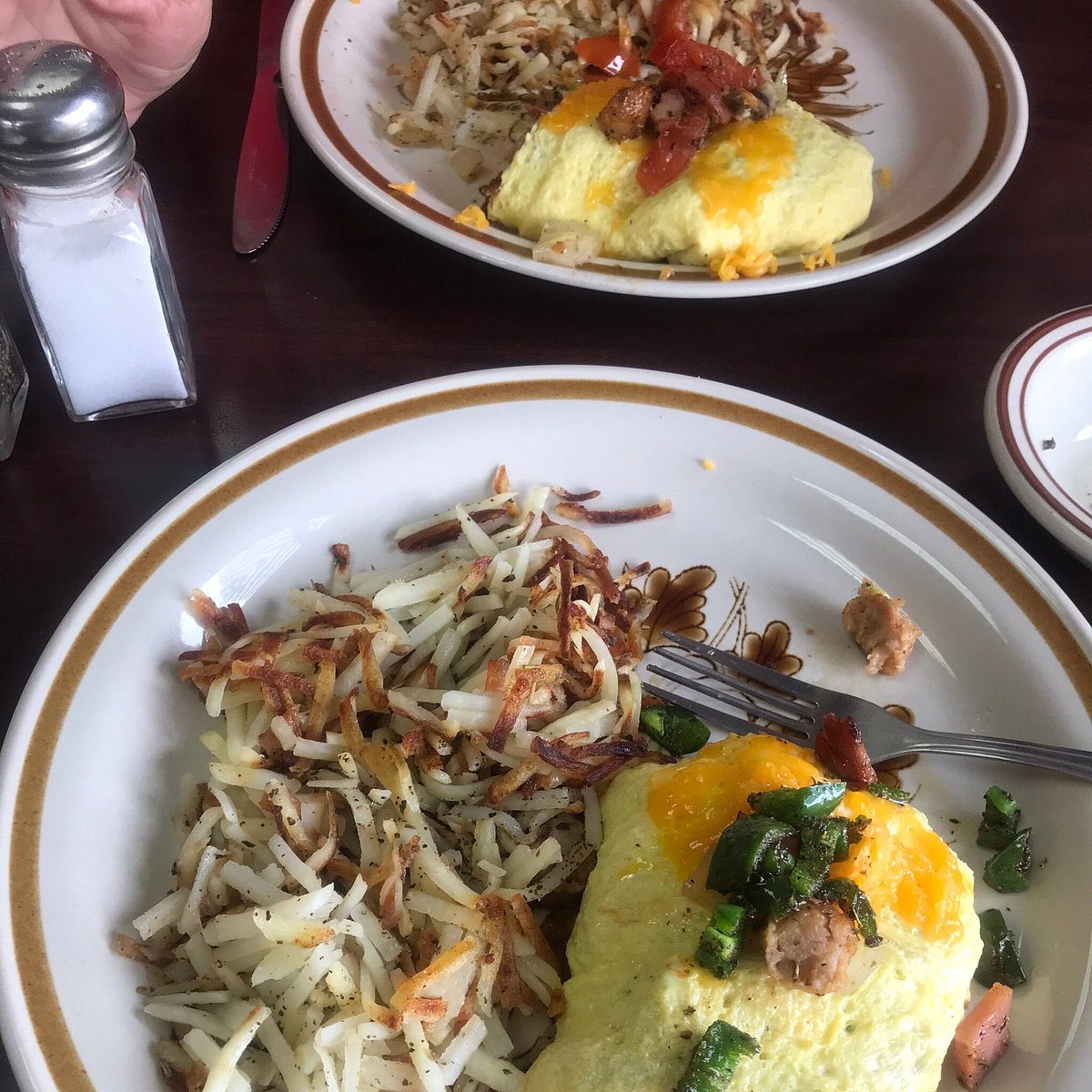
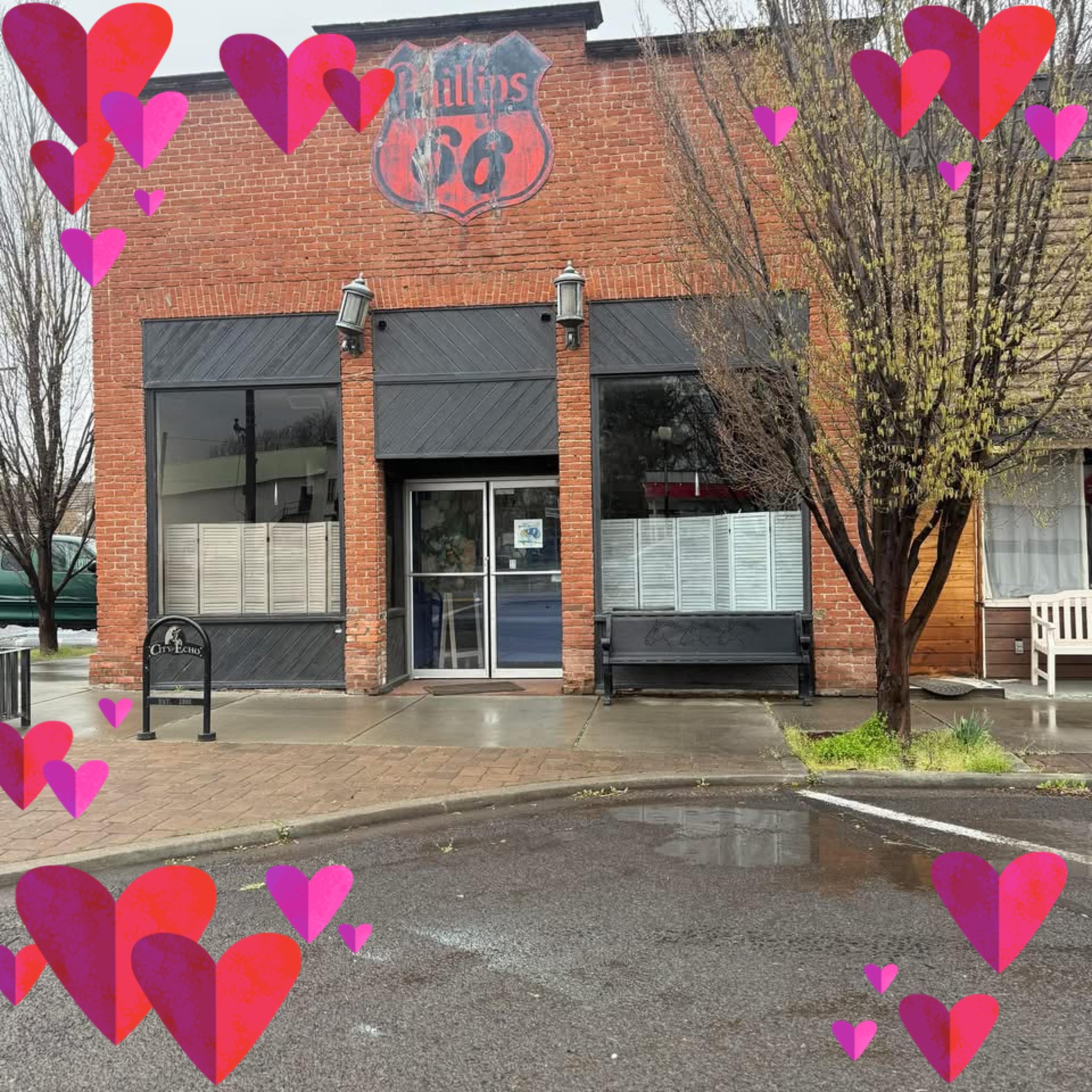
Among the attractions highlighted during the interview were Echo Hills Golf Course, the city-owned nine-hole golf course known for its affordability and scenic layout; H&P Cafe and Nick’s Corner Bistro & Lounge, two popular local dining spots located in downtown. Sno Road Winery and Echo Ridge Cellars, wineries that continue to draw visitors to the community; and historic Oregon Trail sites located near Echo where visitors can still see visible wagon ruts from early pioneers.
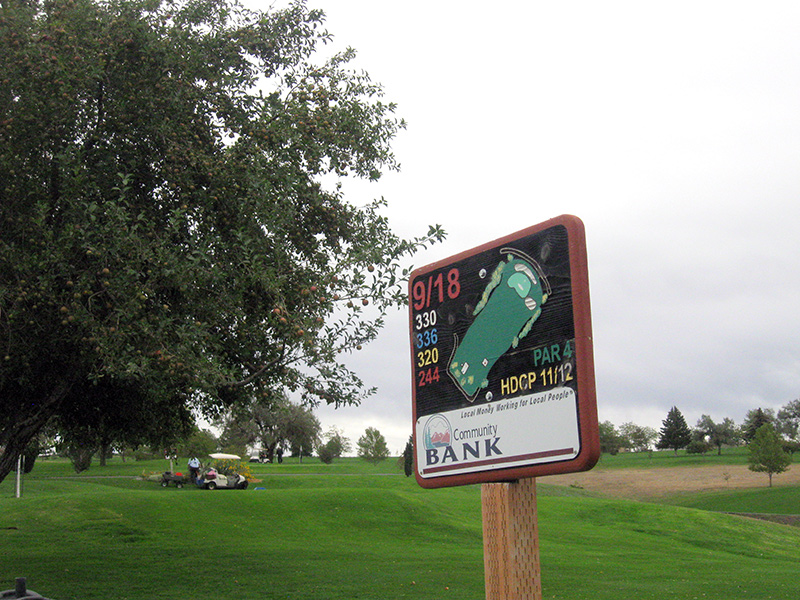
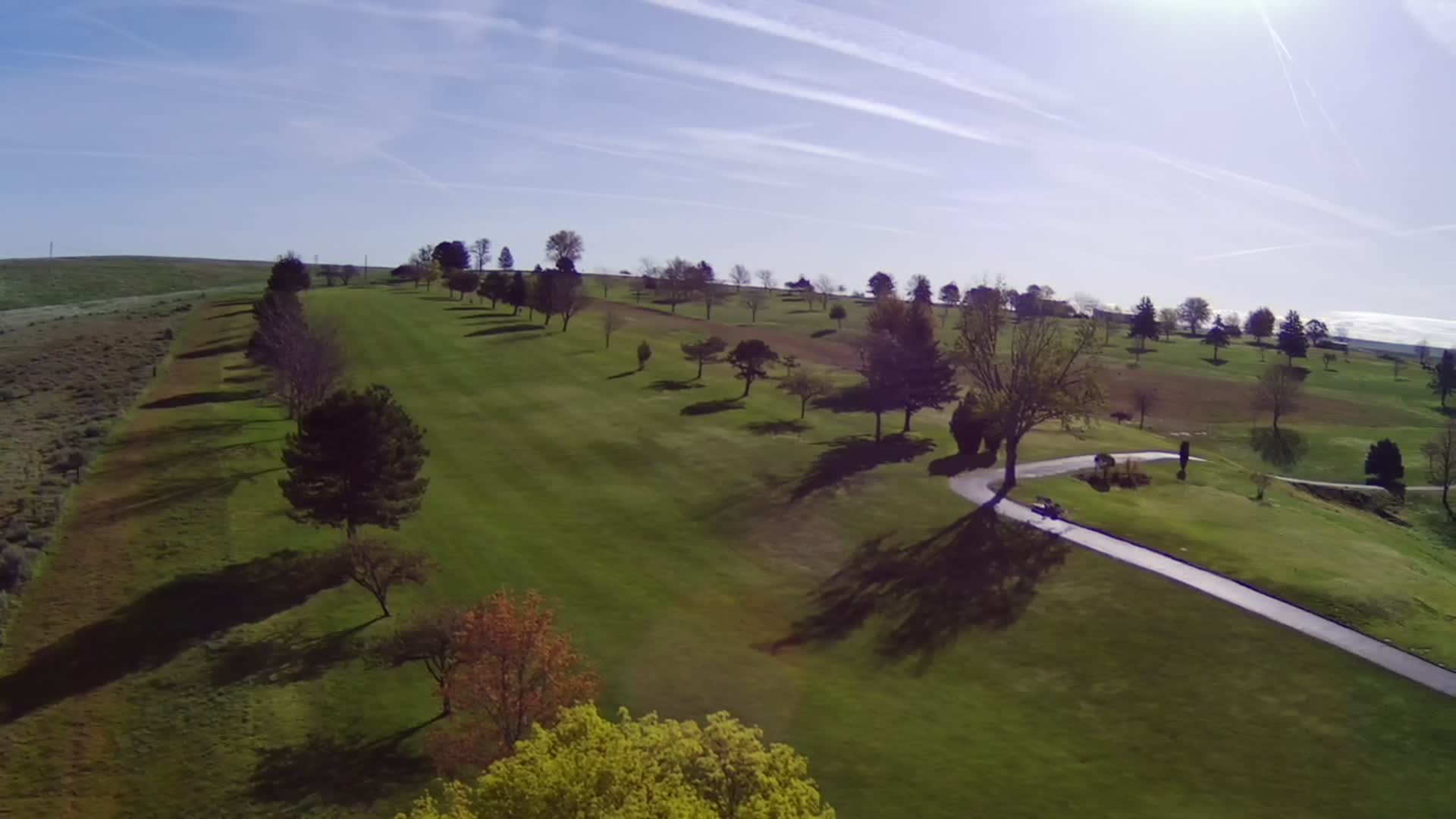
“People can spend an entire day here,” Gonzalez said. “Have breakfast downtown, golf a round, enjoy some wine, explore Oregon Trail history — there’s really something special about Echo.”


Balancing Tradition and Financial Reality
Gonzalez acknowledged the difficult balancing act facing many small rural communities across Oregon: preserving their historic identity while remaining financially sustainable.
“If we do nothing, there are long-term consequences,” he said. “We have to think about what Echo looks like in five, ten, or twenty years.”
Still, Gonzalez stressed that community input will continue to drive future decisions.
“My role is to provide information, listen carefully, and help guide the conversation,” he said. “Ultimately, the council and the citizens decide the direction of the city.”